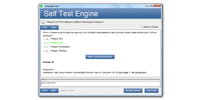
JPNTestでは、CTFL-AcT試験対策としてPDF版、デスクトップテストエンジン、オンラインテストエンジンの3つの形式をご用意しています。印刷して持ち歩きたい方も、ISQI ISTQB Foundation Level - Acceptance Testingの本番環境を再現して練習したい方も、自分に合ったスタイルで80の問題に取り組めます。
ISQI CTFL-AcT 試験概要:
| 認定ベンダー: | iSQI / ISTQB |
|---|---|
| 試験名: | ISTQB Certified Tester Foundation Level Acceptance Testing |
| 試験番号: | CTFL-AcT |
| 関連資格: | ISTQB Certified Tester Foundation Level (CTFL) |
| 試験形式: | 選択式問題, シナリオベース問題 |
| 試験時間: | 60-75 |
| 認定の有効期間: | 有効期限なし |
| 対応言語: | ドイツ語, スペイン語, フランス語, 日本語, 英語 |
| 出題数: | 40問 (通常) |
| 受験料: | 地域により異なる (約200〜300ユーロ) |
| 合格点: | 65% (通常は26/40) |
| 推奨トレーニング: | ISTQBシラバスおよびリソース iSQIトレーニング情報 |
| 受験申し込み: | iSQI公式認定ポータル ISTQB公式サイト |
| サンプル問題: | ISQI CTFL-AcT サンプル問題 |
| 受験方法: | オンライン監督付き試験または認定テストセンター (iSQI配信) |
| 前提条件: | CTFL-AcTを受験する前に、通常はISTQB Certified Tester Foundation Level (CTFL)の取得が必要です。 |
| 公式シラバスのURL: | https://www.istqb.org |
ISQI CTFL-AcT 試験シラバストピック:
| セクション | 目標 |
|---|---|
| 受け入れ基準とテスト設計 | - 受け入れ基準の定義 - 受け入れテストのためのテストケース設計技法 |
| 受け入れテストプロセス | - 実行と評価 - 計画と準備 |
| 受け入れテストの基礎 | - 受け入れテストの目的と目標 - 受け入れテストの種類 (UAT、アルファ、ベータ) |
| 欠陥管理とレポート | - 結果のレポートとコミュニケーション - 受け入れテストにおける欠陥ライフサイクル |
| 品質基準とリスク管理 | - 品質ゲートと終了基準 - リスクベースの受け入れテスト |
| ステークホルダーとコラボレーション | - ステークホルダー間のコミュニケーション - 役割と責任 (ビジネス、ユーザー、テスター) |
| テスト環境とテストデータ | - テストデータの準備と管理 - 環境の準備と構成 |
| 受け入れテストにおけるツールと自動化 | - 受け入れテストにおける自動化のサポート - テスト管理ツール |
ISQI ISTQB Foundation Level - Acceptance TestingのQ&A
「CTFL-AcT」は、iSQI / ISTQBが実施する「ISTQB Certified Tester Foundation Level Acceptance Testing」の試験コードです。この試験に合格すると、「ISTQB Certified Tester Foundation Level – Acceptance Testing (CTFL-AcT)」の認定を取得できます。認定レベルはFoundationに位置づけられています。関連する認定としては、ISTQB Certified Tester Foundation Level (CTFL)などが挙げられます。JPNTestでは、CTFL-AcT試験対策として80の練習問題をご用意しています。
CTFL-AcT試験の出題数は40問 (通常)、制限時間は60-75です。限られた時間内で全問に取り組む必要があるため、1問にかけられる時間を常に意識し、難しい問題に長く留まりすぎないペース配分が求められます。本番で時間不足に慌てないよう、JPNTestのテストエンジンで制限時間つきの模擬試験に挑戦し、時間配分の感覚を体に覚えさせておくことをおすすめします。
CTFL-AcT試験の合格ラインは65% (通常は26/40)、受験料は地域により異なる (約200〜300ユーロ)です。万が一不合格だった場合、再受験には改めて全額の受験料が必要になるため、費用面の負担も無視できません。受験前にJPNTestの80の練習問題で模擬試験に取り組み、安定して合格ラインを超えられることを確認してから本番に臨むと安心です。
CTFL-AcTを受験する前に、通常はISTQB Certified Tester Foundation Level (CTFL)の取得が必要です。
受験条件は変更される場合があります。最新かつ正確な情報は、ISQIの公式ページで必ずご確認ください。
CTFL-AcT試験は、以下の公式窓口からお申し込みいただけます。
なお、本試験の受験方式はオンライン監督付き試験または認定テストセンター (iSQI配信)です。
ISQIではCTFL-AcT試験向けに、以下の公式トレーニングを用意しています。
公式トレーニングで知識の土台を固めたうえで、JPNTestの80の練習問題に取り組めば、理解度の確認と弱点の洗い出しを効率よく進められます。
はい、ご購入前にJPNTestのCTFL-AcT問題集の無料サンプル(PDFデモ)をダウンロードして、問題の品質や形式をご確認いただけます。ご購入後は365日間の無料更新が付帯し、更新期間の終了後も50%割引で継続更新をご利用いただけるため、常に最新の出題傾向に沿った内容で学習を続けられます。
JPNTestでは「返金保証」制度をご用意しています。ご購入後60日以内にCTFL-AcT試験を受験して不合格となった場合、全額返金をご申請いただけます。なお、ご購入後3日以内の受験や、ダウンロード後に実際の受験をしていない場合、無料資料や期限切れのご注文は対象外となり、受験者氏名とお支払い者氏名が一致している必要があります。ご申請の際は、受験票(enrollment slip)の写しと公式スコアレポート(Score Report)のPDFを試験後2日以内にご提出いただき、受理後7日以内に手続きが完了します。返金をご希望でない場合は、同等価値の試験資料2点を無料でお受け取りいただき、元の製品の更新サービスを継続する選択肢もございます。
また、ご購入いただいた製品はお支払い完了後すぐにダウンロードでき、メールでも1分以内にお届けします。2時間以内に届かない場合はカスタマーサポートまでご連絡ください。インストール可能なパソコンの台数に制限はありません。
CTFL-AcT試験の出題範囲は、全部で8分野で構成されています。主な分野としては、「受け入れテストプロセス」、「欠陥管理とレポート」、「テスト環境とテストデータ」などが挙げられます。各分野の詳細なトピックと配点は、上記の試験大綱をご確認ください。JPNTestのCTFL-AcT練習問題は、これらの出題分野を幅広くカバーしています。
ISQI ISTQB Foundation Level - Acceptance Testing 認定 CTFL-AcT 試験問題:
問題 #1
Which of the following techniques is most likely applied to ensure the quality of acceptance testing activities?
A. Review of the source code to ensure traceability of user stories to system components.
B. Eye tracking to verify the feasibility of previously defined user acceptance tests.
C. Verification of the traceability between user stories and test cases to make sure it is up to date.
D. Checklist-based verification of requirements to ensure their completeness and quality.
問題 #2
Which one of the following statements describes the collaboration between business analysts and testers BEST?
A. Once the requirements and acceptance criteria have been defined, business analysts are no longer involved in testing activities.
B. Testers participate in identifying business needs of stakeholders to better understand the business needs and related requirements.
C. Business analysts collaborate on test planning and risk analysis to ensure that further on, appropriate test cases are developed and prioritized.
D. Business analysts usually cannot review acceptance tests, because they do not understand the technical details.
問題 #3
As a tester you are part of a development team for health monitoring system to record and synchronize various health parameters, calculate health score and provide practical advice on how to maintain and improve health. You are asked to review the acceptance criteria for the following user story:
US23; As a user of the system. I can monitor my blood pressure and obtain alerts in case of excessive pressure, in order to prevent the risk associated with hypertension.
Which of the following is NOT a good example of an acceptance criterion for this requirement?
A. The monitoring system displays the heart rate together with the blood pressure
B. The system should be developed using Java script framework to allow fast response times
C. The alert thresholds depend on the following user's personal settings: age, weight and gender
D. People with hypertension are advised to get their blood pressure checked at least thrice a week
問題 #4
Which of the following statements regarding defects is MOST correct?
A. Testers should provide accurate information regarding the difference between the expected test result and the actual result.
B. If the defect turns out to be a bug, the tester writes a defect report and sends it to the business analyst for further investigation.
C. Regular meetings between business analysts and testers are necessary to report discrepancies between actual and expected outcome.
D. The tester should analyze the potential impact of a defect on system usage, before communicating it to the business analyst.
問題 #5
Which one of the following arguments is the BEST reason to add additional information to BPMN diagrams?
A. Links to requires test equipment facilitate test case reviews of stakeholders
B. Link to requirements / user stories enable testers to execute the tests
C. Link to risks provide input to testers for selecting regression tests
D. Link to priorities help test case authors to write comprehensive test cases
解説:
| 問題 #1 正解: C | 問題 #2 正解: C | 問題 #3 正解: B | 問題 #4 正解: A | 問題 #5 正解: C |
496 お客様のコメント