
 848 お客様のコメント
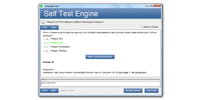

JPNTestでは、SecOps-Generalist試験対策としてPDF版、デスクトップテストエンジン、オンラインテストエンジンの3つの形式をご用意しています。印刷して持ち歩きたい方も、Palo Alto Networks Security Operations Generalistの本番環境を再現して練習したい方も、自分に合ったスタイルで242の問題に取り組めます。
Palo Alto Networks SecOps-Generalist 試験概要:
| 認定ベンダー: | Palo Alto Networks |
|---|---|
| 試験名: | Palo Alto Networks 認定 Security Operations Professional |
| 試験番号: | Security Operations Professional |
| 受験料: | $200 USD |
| 試験形式: | 多肢選択式 |
| 関連資格: | Palo Alto Networks 認定 Security Operations Professional |
| 出題数: | 60-80 |
| 合格点: | 860(300-1000の尺度で) |
| 認定の有効期間: | 2年 |
| 試験時間: | 90 分 |
| 対応言語: | 英語 |
| サンプル問題: | Palo Alto Networks SecOps-Generalist サンプル問題 |
| 受験方法: | Pearson VUE試験センターでの対面受験です(2025年8月1日以降、オンライン監督試験は利用できません)。 |
| 前提条件: | 特定の前提条件はありませんが、サイバーセキュリティの概念とSOC運用に関する知識が推奨されます。 |
| 公式シラバスのURL: | https://www.paloaltonetworks.com/services/education/certification |
Palo Alto Networks SecOps-Generalist 試験シラバストピック:
| セクション | 目標 |
|---|---|
| 自動化と対応 | - 対応アクションを実行する
|
| データの取り込みと設定 | - 分析用のデータソースを設定する
|
| プラットフォームとアーキテクチャ | - Cortex製品ポートフォリオの構成要素を特定する
|
| 検出と調査 | - 脅威ハンティングと調査を実施する
|
Palo Alto Networks Security Operations GeneralistのQ&A
「SecOps-Generalist」は、Palo Alto Networksが実施する「Palo Alto Networks 認定 Security Operations Professional」の試験コードです。この試験に合格すると、「Security Operations Generalist」の認定を取得できます。認定レベルはプロフェッショナルに位置づけられています。関連する認定としては、Palo Alto Networks 認定 Security Operations Professionalなどが挙げられます。JPNTestでは、SecOps-Generalist試験対策として242の練習問題をご用意しています。
SecOps-Generalist試験の出題数は60-80、制限時間は90 分です。限られた時間内で全問に取り組む必要があるため、1問にかけられる時間を常に意識し、難しい問題に長く留まりすぎないペース配分が求められます。本番で時間不足に慌てないよう、JPNTestのテストエンジンで制限時間つきの模擬試験に挑戦し、時間配分の感覚を体に覚えさせておくことをおすすめします。
SecOps-Generalist試験の合格ラインは860(300-1000の尺度で)、受験料は$200 USDです。万が一不合格だった場合、再受験には改めて全額の受験料が必要になるため、費用面の負担も無視できません。受験前にJPNTestの242の練習問題で模擬試験に取り組み、安定して合格ラインを超えられることを確認してから本番に臨むと安心です。
特定の前提条件はありませんが、サイバーセキュリティの概念とSOC運用に関する知識が推奨されます。
受験条件は変更される場合があります。最新かつ正確な情報は、Palo Alto Networksの公式ページで必ずご確認ください。
はい、ご購入前にJPNTestのSecOps-Generalist問題集の無料サンプル(PDFデモ)をダウンロードして、問題の品質や形式をご確認いただけます。ご購入後は365日間の無料更新が付帯し、更新期間の終了後も50%割引で継続更新をご利用いただけるため、常に最新の出題傾向に沿った内容で学習を続けられます。
JPNTestでは「返金保証」制度をご用意しています。ご購入後60日以内にSecOps-Generalist試験を受験して不合格となった場合、全額返金をご申請いただけます。なお、ご購入後3日以内の受験や、ダウンロード後に実際の受験をしていない場合、無料資料や期限切れのご注文は対象外となり、受験者氏名とお支払い者氏名が一致している必要があります。ご申請の際は、受験票(enrollment slip)の写しと公式スコアレポート(Score Report)のPDFを試験後2日以内にご提出いただき、受理後7日以内に手続きが完了します。返金をご希望でない場合は、同等価値の試験資料2点を無料でお受け取りいただき、元の製品の更新サービスを継続する選択肢もございます。
また、ご購入いただいた製品はお支払い完了後すぐにダウンロードでき、メールでも1分以内にお届けします。2時間以内に届かない場合はカスタマーサポートまでご連絡ください。インストール可能なパソコンの台数に制限はありません。
SecOps-Generalist試験の出題範囲は、全部で4分野で構成されています。主な分野としては、「プラットフォームとアーキテクチャ」、「自動化と対応」、「検出と調査」などが挙げられます。各分野の詳細なトピックと配点は、上記の試験大綱をご確認ください。JPNTestのSecOps-Generalist練習問題は、これらの出題分野を幅広くカバーしています。
Palo Alto Networks Security Operations Generalist 認定 SecOps-Generalist 試験問題:
問題 #1
In the context of Palo Alto Networks Strata NGFWs and Prisma Access, which statement MOST accurately describes the fundamental role of Security Zones in network security policy enforcement?
A. Zones classify traffic based on application type (e.g., web, email) before App-ID inspection.
B. Zones are primarily used for routing decisions, directing traffic between different physical or virtual interfaces.
C. Zones are logical containers for IP addresses and subnets used for reporting and logging purposes only.
D. Zones define trust boundaries and serve as the source and destination criteria for matching security policy rules.
E. Zones automatically permit all traffic flow between interfaces assigned to the same zone, and implicitly deny traffic between different zones.
問題 #2
An organization is concerned about attackers exploiting known vulnerabilities in their web servers and client applications. They have deployed Palo Alto Networks NGFWs with an Advanced Threat Prevention subscription. Which specific security profiles, enhanced by the Advanced Threat Prevention CDSS, are primarily responsible for protecting against vulnerability exploits and preventing spyware/command-and-control communications?
A. File Blocking profile for controlling file transfers.
B. Data Filtering profile for preventing sensitive data exfiltration.
C. Vulnerability Protection and Anti-Spyware profiles for exploit prevention and blocking C2 traffic.
D. Antivirus profile for malware signature detection.
E. URL Filtering profile for blocking access to malicious websites.
問題 #3
An organization needs to create a Security Policy rule in Prisma Access to allow remote users (members of the 'Sales-Team' group) to access an internal Customer Relationship Management (CRM) application hosted on a server farm in the data center (represented by the 'CRM-Servers' Address Group within the 'Service-Connection' zone). The CRM application uses a custom TCP port. The policy should also apply appropriate threat prevention profiles. Which combination of elements must be configured in the Security Policy rule for the traffic originating from the remote users to the CRM application?
A. Option E
B. Option D
C. Option B
D. Option C
E. Option A
問題 #4
A security team wants to harden their network by preventing users from downloading potentially dangerous file types from the internet (e.g., executable files, archive files, batch scripts) while still allowing safe documents like PDFs. They also want to prevent the upload of encrypted or password-protected archive files (like .zip' or .rar') to external services, as these cannot be inspected for malware or sensitive dat a. Which Content-ID feature is specifically used to implement these restrictions based on file type and direction?
A. URL Filtering profile configured to block websites known to host malicious file types.
B. File Blocking profile configured with rules specifying file types and transfer directions (upload/download) to block or alert on.
C. Data Filtering profile configured to detect file extensions in the data stream.
D. Threat Prevention profile with custom vulnerability signatures matching dangerous file headers.
E. WildFire analysis profile configured to block unknown file types.
問題 #5
A large enterprise is migrating some internal applications to a cloud-based Software-as-a-Service (SaaS) model and implementing a SASE architecture leveraging Palo Alto Networks Prisma Access. They are encountering issues with the correct identification and enforcement of policies for a specific custom internal web application that now runs on a standard HTTPS port (443) alongside other legitimate SaaS traffic. The security team needs to ensure this custom application is identified separately from general 'web-browsing' and enforce specific QOS and security profiles on it.
A. Rely on Content-ID to identify the specific application content and apply policies based on content signatures instead of App-ID.
B. Modify the default 'web-browsing' application signature to exclude traffic destined for the specific IP address/FQDN of the custom application.
C. Create a custom application signature using App-ID based on unique characteristics of the application's payload or behavior, then create a security policy rule matching this custom App-ID.
D. Configure a URL Filtering profile to block access to the custom application's URL, then allow it in a separate rule with the desired profiles.
E. Deploy a separate, dedicated Strata NGFW appliance specifically for this custom application traffic before it reaches Prisma Access.
解説:
| 問題 #1 正解: D | 問題 #2 正解: C | 問題 #3 正解: D | 問題 #4 正解: B | 問題 #5 正解: C |


 0
0
 0
0
 0
0
 0
0
