
 555 お客様のコメント
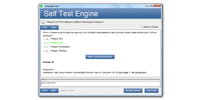

試験内容はベンダーの方針変更とともに更新されるため、教材の鮮度が学習効果を左右します。JPNTestのPMI-200問題集は購入後365日間無料で更新され、2026年時点のPMI Agile Certified Practitioner (PMI-ACP)®の出題内容にも対応しています。
PMI PMI-200 試験概要:
| 認定ベンダー: | PMI |
|---|---|
| 試験名: | PMI Agile Certified Practitioner (PMI-ACP)® 試験 |
| 試験番号: | PMI-200 |
| 試験形式: | 単一選択式, 複数選択式 |
| 出題数: | 120問(採点対象100問 + 採点対象外20問) |
| 受験料: | $435(PMI会員)/ $495(非会員) |
| 関連資格: | Project Management Professional (PMP)® Disciplined Agile Scrum Master (DASM)® |
| 対応言語: | アラビア語, 日本語, ドイツ語, 中国語(簡体字), フランス語, スペイン語, 英語, ポルトガル語, 韓国語 |
| 認定の有効期間: | 3年間 |
| 試験時間: | 180 分 |
| 推奨トレーニング: | PMI-ACP試験対策コース PMI認定トレーニングパートナー(ATP) |
| 受験申し込み: | PMIアカウントログインおよび試験予約 PMI認定ポータル |
| サンプル問題: | PMI PMI-200 サンプル問題 |
| 受験方法: | オンラインプロクター試験またはテストセンター(Pearson VUE) |
| 前提条件: | 中等教育学位(高校卒業またはそれと同等の資格) + 21時間の公式なアジャイルトレーニング受講 + 過去5年以内の12ヶ月間の一般的なプロジェクト経験、または PMP®/PgMP® 資格保有(プロジェクト経験要件の免除)。 |
| 公式シラバスのURL: | https://www.pmi.org/certifications/agile-acp |
PMI PMI-200 試験シラバストピック:
| セクション | 目標 |
|---|---|
| トピック 1: 継続的改善 | - プロセス改善の実践
|
| トピック 2: アジャイルの原則とマインドセット | - アジャイルマニフェストと原則
|
| トピック 3: 価値主導のデリバリー | - ビジネス価値の提供
|
| トピック 4: 適応型計画 | - アジャイル環境における計画策定
|
| トピック 5: 問題の検出と解決 | - 継続的な課題管理
|
| トピック 6: ステークホルダーエンゲージメント | - ステークホルダーとのコラボレーション
|
| トピック 7: チームのパフォーマンス | - アジャイルチームの実践
|
PMI-200試験についてよくあるご質問
「PMI-200」は、PMIが実施する「PMI Agile Certified Practitioner (PMI-ACP)® 試験」の試験コードです。この試験に合格すると、「PMI Agile Certified Practitioner (PMI-ACP)®」の認定を取得できます。認定レベルはプロフェッショナルに位置づけられています。関連する認定としては、Project Management Professional (PMP)®・Disciplined Agile Scrum Master (DASM)®などが挙げられます。JPNTestでは、PMI-200試験対策として485の練習問題をご用意しています。
PMI-200試験の出題数は120問(採点対象100問 + 採点対象外20問)、制限時間は180 分です。限られた時間内で全問に取り組む必要があるため、1問にかけられる時間を常に意識し、難しい問題に長く留まりすぎないペース配分が求められます。本番で時間不足に慌てないよう、JPNTestのテストエンジンで制限時間つきの模擬試験に挑戦し、時間配分の感覚を体に覚えさせておくことをおすすめします。
中等教育学位(高校卒業またはそれと同等の資格) + 21時間の公式なアジャイルトレーニング受講 + 過去5年以内の12ヶ月間の一般的なプロジェクト経験、または PMP®/PgMP® 資格保有(プロジェクト経験要件の免除)。
受験条件は変更される場合があります。最新かつ正確な情報は、PMIの公式ページで必ずご確認ください。
PMI-200試験は、以下の公式窓口からお申し込みいただけます。
なお、本試験の受験方式はオンラインプロクター試験またはテストセンター(Pearson VUE)です。
PMIではPMI-200試験向けに、以下の公式トレーニングを用意しています。
公式トレーニングで知識の土台を固めたうえで、JPNTestの485の練習問題に取り組めば、理解度の確認と弱点の洗い出しを効率よく進められます。
はい、ご購入前にJPNTestのPMI-200問題集の無料サンプル(PDFデモ)をダウンロードして、問題の品質や形式をご確認いただけます。ご購入後は365日間の無料更新が付帯し、更新期間の終了後も50%割引で継続更新をご利用いただけるため、常に最新の出題傾向に沿った内容で学習を続けられます。
JPNTestでは「返金保証」制度をご用意しています。ご購入後60日以内にPMI-200試験を受験して不合格となった場合、全額返金をご申請いただけます。なお、ご購入後3日以内の受験や、ダウンロード後に実際の受験をしていない場合、無料資料や期限切れのご注文は対象外となり、受験者氏名とお支払い者氏名が一致している必要があります。ご申請の際は、受験票(enrollment slip)の写しと公式スコアレポート(Score Report)のPDFを試験後2日以内にご提出いただき、受理後7日以内に手続きが完了します。返金をご希望でない場合は、同等価値の試験資料2点を無料でお受け取りいただき、元の製品の更新サービスを継続する選択肢もございます。
また、ご購入いただいた製品はお支払い完了後すぐにダウンロードでき、メールでも1分以内にお届けします。2時間以内に届かない場合はカスタマーサポートまでご連絡ください。インストール可能なパソコンの台数に制限はありません。
PMI-200試験の出題範囲は、全部で7分野で構成されています。主な分野としては、「チームのパフォーマンス」、「問題の検出と解決」、「価値主導のデリバリー」などが挙げられます。各分野の詳細なトピックと配点は、上記の試験大綱をご確認ください。JPNTestのPMI-200練習問題は、これらの出題分野を幅広くカバーしています。
PMI Agile Certified Practitioner (PMI-ACP)® 認定 PMI-200 試験問題:
問題 #1
How should the project manager introduce the team, communicate the importance of the team charter, and help develop a high-performing team?
A project charter has been completed and is ready for approval. The project's goal and approach have been clearly determined and a list of generalized specialists has been set.
How should the project manager introduce the team, communicate the importance of the team charter, and help develop a high-performing team?
A. Analyze the list of all project participants and stakeholders, clarifying stakeholder roles and responsibilities.
B. Determine roles and responsibilities among team members and promote hierarchy, responsibility, and ownership among team members.
C. Have team members introduce one another and create a hierarchy that reflects responsibilities, roles, and decision-making.
D. Promote consensus-driven decision-making and a shared vision for team commitments and decisions.
問題 #2
Several new stakeholders are concerned about being asked to review a product demo before it is complete.
How should the agile coach explain to the stakeholders the value of working this way?
A. The product owner may act as the stakeholders' proxy at the demo and that the stakeholders do not need to be directly involved with the team.
B. The stakeholders will learn whether or not the implementation has worked by getting immediate feedback so they can correct their assumptions for the next sprint.
C. The stakeholders will be better positioned to evaluate whether or not the resources expended by the organization are worthwhile.
D. The demo will show whether or not the team understands the level of effort required to complete the project.
問題 #3
On what should an agile team work to achieve predictable flow?
A. Lean features
B. Small user stories
C. Simple acceptance criteria
D. Lean backlogs
問題 #4
A project team for a local government is transitioning from a predictive development life cycle to an iterative development life cycle. The project sponsor has informed the team lead that the subject matter expert (SME) for the financial functions of the solution is overallocated, so the team needs to convert the previously gathered requirements into user stories.
What should the agile lead do?
A. Agree, and ask the developers to explain to the testers how the solution should perform for quality assurance. The testers will demonstrate to the stakeholders how the system should perform to gain acceptance.
B. Agree, because the developers can copy and paste the requirements and include the technical specifications and performance criteria while writing the stories to save time.
C. Explain to the project sponsor that the user stories should be assigned to the analysts, because they helped write the requirements and better understand them.
D. Explain that the testable acceptance criteria are included in each story and it is necessary for the expert to collaborate with the developers, testers, and product owner for common understanding of the solution.
問題 #5
During refinement, the team tester has a question about part of the acceptance criteria for a given user story.
Who should clarify the acceptance criteria?
A. The developer, since they write the code that would be tested.
B. The sponsor, since they understand the business value.
C. The scrum master, since they coordinate with the team and define the acceptance criteria.
D. The product owner, since their vision is the basis for the acceptance criteria.
解説:
| 問題 #1 正解: D | 問題 #2 正解: B | 問題 #3 正解: B | 問題 #4 正解: D | 問題 #5 正解: D |


 0
0
 0
0
 0
0
 0
0
