
 525 お客様のコメント
 クリック」
クリック」

Microsoft Designing and Implementing Cloud-Native Applications Using Microsoft Azure Cosmos DBは専門性の高い試験として知られ、十分な準備なしに臨むには不安が残ります。JPNTestのDP-420練習問題は本試験の出題範囲に沿った281の問題で構成されており、2026年の試験対策にも対応しています。
Microsoft DP-420 試験概要:
| 認定ベンダー: | Microsoft |
|---|---|
| 試験名: | Microsoft Azure Cosmos DB を使用したクラウドネイティブ アプリケーションの設計と実装 |
| 試験番号: | DP-420 |
| 合格点: | 700/1000 |
| 認定の有効期間: | 1年 |
| 受験料: | $165 USD |
| 関連資格: | Microsoft Certified: Azure Cosmos DB Developer Specialty |
| 試験時間: | 100-120 |
| 対応言語: | 簡体字中国語, 韓国語, 日本語, 英語 |
| 出題数: | 40-60 |
| 試験形式: | ホットエリア, ラボ, 多肢選択式, ドラッグ アンド ドロップ, ケーススタディ |
| サンプル問題: | Microsoft DP-420 サンプル問題 |
| 受験方法: | オンライン監督試験または対面試験センター |
| 前提条件: | 正式な受験前提条件はありません。受験者は Azure ソリューションの開発経験と Azure Cosmos DB の利用経験を有している必要があります。 |
| 公式シラバスのURL: | https://learn.microsoft.com/en-us/credentials/certifications/exams/dp-420/ |
Microsoft DP-420 試験シラバストピック:
| セクション | 比重 | 目標 |
|---|---|---|
| トピック 1: Azure Cosmos DB ソリューションを運用・保守する | 25-30% | - Azure Cosmos DB ソリューションを監視してトラブルシューティングする
|
| トピック 2: Azure Cosmos DB ソリューションを最適化する | 15-20% | - インデックス戦略を定義して実装する
|
| トピック 3: データ分散を設計して実装する | 5-10% | - レプリケーション戦略を設計して実装する
|
| トピック 4: Azure Cosmos DB ソリューションを統合する | 5-10% | - 分析ワークロードを有効にする
|
| トピック 5: データ モデルの設計と実装 | 35-40% | - サイズ設定とスケーリングを計画して実装する
|
Microsoft Designing and Implementing Cloud-Native Applications Using Microsoft Azure Cosmos DBのQ&A
「DP-420」は、Microsoftが実施する「Microsoft Azure Cosmos DB を使用したクラウドネイティブ アプリケーションの設計と実装」の試験コードです。この試験に合格すると、「Azure Cosmos DB Developer Specialty」の認定を取得できます。認定レベルはスペシャリティに位置づけられています。関連する認定としては、Microsoft Certified: Azure Cosmos DB Developer Specialtyなどが挙げられます。JPNTestでは、DP-420試験対策として281の練習問題をご用意しています。
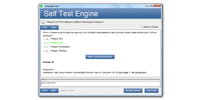
DP-420試験の出題数は40-60、制限時間は100-120です。限られた時間内で全問に取り組む必要があるため、1問にかけられる時間を常に意識し、難しい問題に長く留まりすぎないペース配分が求められます。本番で時間不足に慌てないよう、JPNTestのテストエンジンで制限時間つきの模擬試験に挑戦し、時間配分の感覚を体に覚えさせておくことをおすすめします。
DP-420試験の合格ラインは700/1000、受験料は$165 USDです。万が一不合格だった場合、再受験には改めて全額の受験料が必要になるため、費用面の負担も無視できません。受験前にJPNTestの281の練習問題で模擬試験に取り組み、安定して合格ラインを超えられることを確認してから本番に臨むと安心です。
正式な受験前提条件はありません。受験者は Azure ソリューションの開発経験と Azure Cosmos DB の利用経験を有している必要があります。
受験条件は変更される場合があります。最新かつ正確な情報は、Microsoftの公式ページで必ずご確認ください。
はい、ご購入前にJPNTestのDP-420問題集の無料サンプル(PDFデモ)をダウンロードして、問題の品質や形式をご確認いただけます。ご購入後は365日間の無料更新が付帯し、更新期間の終了後も50%割引で継続更新をご利用いただけるため、常に最新の出題傾向に沿った内容で学習を続けられます。
JPNTestでは「返金保証」制度をご用意しています。ご購入後60日以内にDP-420試験を受験して不合格となった場合、全額返金をご申請いただけます。なお、ご購入後3日以内の受験や、ダウンロード後に実際の受験をしていない場合、無料資料や期限切れのご注文は対象外となり、受験者氏名とお支払い者氏名が一致している必要があります。ご申請の際は、受験票(enrollment slip)の写しと公式スコアレポート(Score Report)のPDFを試験後2日以内にご提出いただき、受理後7日以内に手続きが完了します。返金をご希望でない場合は、同等価値の試験資料2点を無料でお受け取りいただき、元の製品の更新サービスを継続する選択肢もございます。
また、ご購入いただいた製品はお支払い完了後すぐにダウンロードでき、メールでも1分以内にお届けします。2時間以内に届かない場合はカスタマーサポートまでご連絡ください。インストール可能なパソコンの台数に制限はありません。
DP-420試験の出題範囲は、全部で5分野で構成されています。主な分野としては、「Azure Cosmos DB ソリューションを最適化する」(15-20%)、「Azure Cosmos DB ソリューションを運用・保守する」(25-30%)、「データ分散を設計して実装する」(5-10%)などが挙げられます。各分野の詳細なトピックと配点は、上記の試験大綱をご確認ください。JPNTestのDP-420練習問題は、これらの出題分野を幅広くカバーしています。
Microsoft Designing and Implementing Cloud-Native Applications Using Microsoft Azure Cosmos DB 認定 DP-420 試験問題:
問題 #1
Note: This question is part of a series of questions that present the same scenario. Each question in the series contains a unique solution that might meet the stated goals. Some question sets might have more than one correct solution, while others might not have a correct solution.
After you answer a question in this section, you will NOT be able to return to it. As a result, these questions will not appear in the review screen.
You have a database in an Azure Cosmos DB for NoSQL account that is configured for multi- region writes.
You need to use the Azure Cosmos DB SDK to implement the conflict resolution policy for a container. The solution must ensure that any conflicts are sent to the conflicts feed.
Solution: You set ConflictResolutionMode to LastWriterWins and you use the default settings for the policy.
Does this meet the goal?
A. Yes
B. No
問題 #2
You have a database in an Azure Cosmos DB for NoSQL account. The database contains a container named container1. The indexing mode of container1 is set to none.
You configure Azure Cognitive Search to extract data from container1 and make the data searchable.
You discover that the Cognitive Search index is missing all the data from the Azure Cosmos DB index.
What should you do to resolve the issue?
A. Modify the index attributes in Cognitive Search to Searchable
B. Modify the index attributes in Cognitive Search to Retrievable
C. Change the indexing mode of container1 to consistent
D. Modify the indexing policy of container1 to exclude the /* path
問題 #3
Hotspot Question
You have an Azure Cosmos DB for NoSQL account that contains a container named Container1.
You add a composite index to the default indexing policy of Container1. The index has the following definition.
firstName ASC, age ASC
You plan to execute the following query against Container1.
SELECT *
FROM C
WHERE c.firstName = "John"
AND c.age > 21
AND c._ts < 1612213196
You need to optimize the performance of the query by adding an additional index.
How should you complete the additional index? To answer, select the appropriate options in the answer area.
NOTE: Each correct selection is worth one point.
問題 #4
You have an Azure Cosmos DB for NoSQL account named account1.
You have an app named App1 that connects to account1 and uses strong consistency for all requests.
You implement the Azure Cosmos DB integrated cache for account1.
You need to ensure that App1 uses the integrated cache.
What should you do?
A. Set the connectivity mode to direct mode over TCP.
B. Set MaxIntegratedCacheStaleness to 0.
C. Change the request consistency level to session.
D. Change the request consistency level to bounded staleness.
問題 #5
You are designing an Azure Cosmos DB for NoSQL solution to store data from IoT devices.
Writes from the devices will be occur every second.
The following is a sample of the data.
You need to select a partition key that meets the following requirements for writes:
- Minimizes the partition skew
- Avoids capacity limits
- Avoids hot partitions
What should you do?
A. Create a new synthetic key that contains deviceId and deviceManufacturer.
B. Create a new synthetic key that contains deviceId and a random number.
C. Create a new synthetic key that contains deviceId and sensor1Value.
D. Use timestamp as the partition key.
解説:
| 問題 #1 正解: B | 問題 #2 正解: C | 問題 #3 正解: 会員のみ閲覧可能 | 問題 #4 正解: C | 問題 #5 正解: B |


 0
0
 0
0
 0
0
 0
0
